Accommodation
Choosing the right accommodation can transform an ordinary trip into an unforgettable experience—or turn a dream getaway into a frustrating ordeal. Whether you’re drawn to the romance of a canvas tent under the stars, the freedom of life on four wheels, or the cozy warmth of a winter cabin, understanding what each option truly offers is the first step toward making informed decisions.
The accommodation landscape has evolved dramatically in recent years. Today’s travelers can choose from an extraordinary range of options: glamping structures that blend luxury with nature, recreational vehicles offering mobile independence, static holiday homes providing seasonal escapes, and specialized retreats designed for peace and quiet. Each category comes with its own considerations—from heating efficiency and sound insulation to towing stability and moisture management.
This comprehensive resource breaks down every major accommodation type, highlighting the practical factors that truly matter when booking. You’ll learn what separates a comfortable stay from a disappointing one, and gain the knowledge needed to ask the right questions before committing your budget.
Glamping and Canvas Structures: Luxury Meets Wilderness
Glamping has captured the imagination of travelers who want nature without sacrificing comfort. Research indicates that a significant majority of first-time campers now prefer glamping over traditional tents, drawn by the promise of real beds, proper lighting, and often private bathrooms. But within glamping lies considerable variety, and understanding the differences helps match expectations to reality.
Yurts, Geodesic Domes, and Safari Tents
These three popular structures offer distinctly different experiences. Yurts feature thick felt walls and a circular design that naturally retains warmth, making them suitable for cooler seasons. Geodesic domes excel at distributing structural stress, allowing for panoramic windows—though their insulation varies widely depending on construction quality. Safari tents prioritize aesthetic appeal and spaciousness but typically use single-layer canvas that offers minimal sound or thermal insulation.
When comparing options, consider these factors:
- Wall material thickness and insulation rating
- Distance from neighboring units for privacy
- Heating system type and overnight reliability
- En-suite facilities versus shared amenities
Heating and Climate Control Challenges
One of the most common mistakes travelers make involves underestimating heating requirements in canvas structures. A simple miscalculation—like relying solely on a small electric heater in a large safari tent—can make nights unbearable. Wood-burning stoves provide excellent ambiance and warmth but require dry, seasoned logs to function properly.
The golden rule: always verify the heating system before booking for cold-weather stays. Ask specifically about BTU output relative to tent size, and whether backup heating exists if temperatures drop unexpectedly.
Mobile Living: Vans, RVs, and Caravans
The freedom of mobile accommodation appeals to those who resist fixed itineraries. However, life on wheels demands practical knowledge that many newcomers only discover through costly mistakes. Whether you’re considering van life or towing a caravan, preparation makes the difference between adventure and misadventure.
Van Life Essentials: Conquering Moisture and Mold
Small spaces amplify every environmental challenge, and moisture ranks as the number one enemy of comfortable van living. Metal surfaces act as condensation magnets—water droplets forming on interior ribs can drip onto insulation, creating perfect conditions for mold growth. The seemingly innocent habit of drying wet towels inside raises humidity levels dramatically, sometimes reaching 90% saturation.
Effective moisture management requires a multi-pronged approach:
- Maintaining ventilation even in cold weather through roof vents
- Choosing heating systems carefully—diesel heaters release less interior moisture than propane
- Using dehumidifiers appropriate to space and power availability
- Installing proper vapor barriers during insulation
Towing Stability: Preventing the Dangerous Sway
Few experiences terrify caravan owners more than the sudden onset of snaking—that terrifying side-to-side oscillation that can quickly escalate toward loss of control. Understanding the physics helps prevent it. Improperly distributed weight, particularly heavy items stored in high cupboards, raises the center of gravity and amplifies instability.
The 7% rule provides a practical guideline: nose weight (the downward force on the tow hitch) should equal approximately 7% of the total laden trailer weight. This can be measured with a simple bathroom scale and a bit of creativity. Beyond weight distribution, tire pressure plays a critical role—under-inflation dramatically worsens oscillation tendencies.
Navigating Large Motorhomes
Driving a large motorhome through narrow village roads requires different skills than standard vehicle operation. The rear overhang swings outward during tight turns, potentially striking parked cars or stone walls. Height restrictions catch unwary drivers, and low bridge warnings don’t always appear in time when following standard GPS navigation.
Experienced motorhome travelers recommend:
- Using specialized apps that filter routes for height, width, and weight restrictions
- Avoiding small town centers during market days
- Installing rear cameras or relying on a spotter for precision parking
- Adding generous time buffers to account for necessary detours
Static Holiday Accommodations: Cabins, Bungalows, and Mobile Homes
Not everyone seeks mobility. Static accommodations offer a home base for exploration, but choosing the right unit requires understanding factors invisible in glossy photographs.
Winter Cabin Rentals and Heating Efficiency
A winter cabin stay promises crackling fires and cozy evenings—unless you’ve booked a unit with inadequate heating. Electric baseboards, while convenient, often cost significantly more to run than wood stoves or central heating systems. Before booking, scrutinize photos for clues about window seal quality; visible condensation between panes or deteriorated frames signal heat loss.
Cabin orientation matters more than many realize. South-facing units capture passive solar heat during daylight hours, reducing reliance on active heating. For wood-burning accommodations, inquire about log quality—unseasoned (wet) wood burns poorly and creates excessive creosote buildup.
Bungalow Parks: Location Within Location
In busy resort parks, your specific unit assignment dramatically affects experience quality. Proximity to swimming pools virtually guarantees noise until late evening. Units positioned along natural foot traffic shortcuts see constant passersby. The area near waste collection points introduces odors and early-morning glass-bottle clanking.
Savvy bookers call reception directly to request specific unit numbers, particularly those in mature sections with established trees providing natural screening. Newly developed zones may offer modern amenities but often lack privacy-enhancing vegetation.
Mobile Home Investment Considerations
Purchasing a luxury mobile home as an alternative to traditional vacation property requires clear-eyed financial analysis. Unlike real estate, mobile homes typically depreciate more similarly to vehicles than houses. Additionally, campground contracts sometimes contain hidden clauses requiring expensive upgrades or limiting resale options.
Critical evaluation points include:
- Wall thickness specifications for year-round comfort
- Annual site fee trajectories compared to equivalent property taxes
- Resale restrictions—selling on-site versus removal requirements
- Long-term lease security and renewal terms
The Quest for Quiet: Adults-Only and Peaceful Stays
For travelers prioritizing tranquility, specialized accommodations offer solutions worth their premium pricing. Adults-only campsites and designated quiet zones have emerged as distinct market segments, recognizing that restful sleep has measurable value.
Studies of traveler satisfaction consistently show that guests at child-free facilities report better sleep quality—often gaining meaningful additional rest nightly. However, not all adults-only designations are equal. True quiet enforcement requires clear policies and active management.
Before booking any accommodation marketed as peaceful, verify these specifics:
- Written quiet hours and enforcement procedures
- Unit distance from roads, pools, and common areas
- Generator and amplified music policies
- Management response protocols for noise complaints
The difference between retirement parks and general adults-only facilities matters for social atmosphere. Forty-something travelers seeking occasional evening conversations may find better community fit in mixed-age adults-only venues rather than retirement-focused communities.
Universal Booking Wisdom: Questions That Prevent Regret
Regardless of accommodation type, certain investigative habits protect against disappointment. The most experienced travelers develop systematic approaches to pre-booking research that go beyond trusting marketing descriptions.
Always verify physical positioning. Satellite imagery reveals proximity to busy roads that listing photos artfully exclude. Reading reviews chronologically exposes whether management maintains standards or has declined over time. For longer stays, negotiating rates directly often yields better value than accepting published prices—particularly during shoulder seasons.
Perhaps most importantly, match accommodation choice to actual needs rather than aspirational ones. The most luxurious glamping tent cannot compensate for someone who truly needs solid walls, just as the most spacious motorhome cannot satisfy someone uncomfortable with constant driving. Honest self-assessment, combined with thorough research, leads to accommodation choices that genuinely enhance travel experiences rather than merely providing a place to sleep.
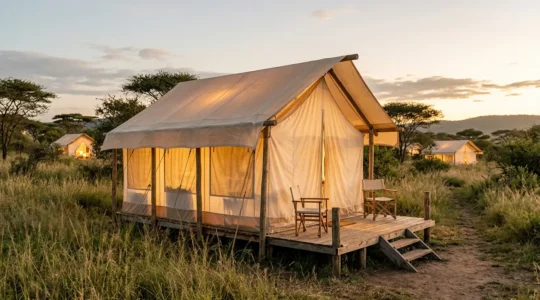
Safari Tents: Does the « Canvas Wall » Compromise Sound Insulation?
The hard truth: a canvas wall offers virtually no soundproofing against conversations, regardless of its thickness. Acoustic privacy in a safari tent is not achieved through the tent’s material but by managing distance, ambient noise, and site layout. Features like…
Lire la suite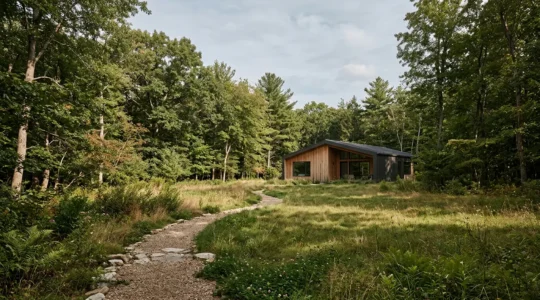
Bungalow Parks: How to Choose a Quiet Location in a Busy Resort?
Finding a quiet bungalow isn’t about luck; it’s a solvable problem of strategic analysis that puts you in control. Noise comes from predictable ‘operational blindspots’ like waste collection points and hidden footpaths that don’t appear on guest maps. Your best…
Lire la suite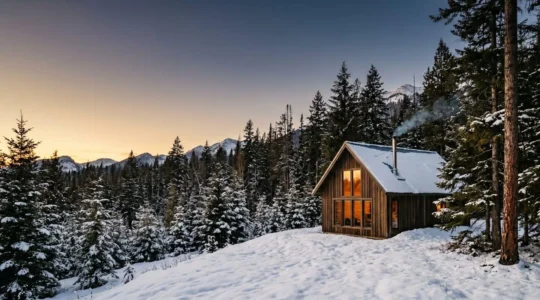
Winter Cabin Rentals: How to Ensure Heating Efficiency Before Booking?
The cozy cabin you see online could be a thermal liability in disguise, leaving you cold and overpaying for comfort. Electric baseboards can cost more than double what a good wood stove does to produce the same amount of heat….
Lire la suite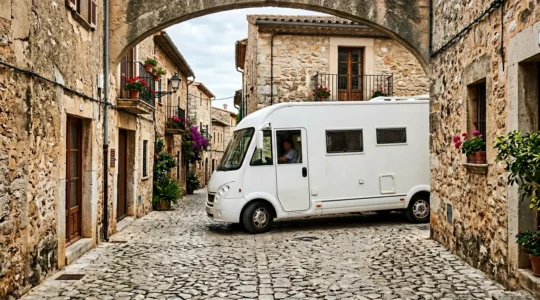
Driving a Large Motorhome on Narrow Roads: The Professional’s Guide to Stress-Free Navigation
The secret to navigating narrow roads isn’t just driving slowly; it’s thinking like a professional hauler by mastering your vehicle’s geometry and anticipating challenges before they arise. Understanding the predictable physics of « tail swing » transforms tight turns from a guessing…
Lire la suite
Living in a Van: The Definitive Guide to Managing Moisture and Mold
In summary: Moisture isn’t just an inconvenience; it’s a system to be managed. The key is controlling condensation at its source. Your van’s metal frame acts as a « thermal bridge, » creating cold spots where moisture condenses first, even with good…
Lire la suite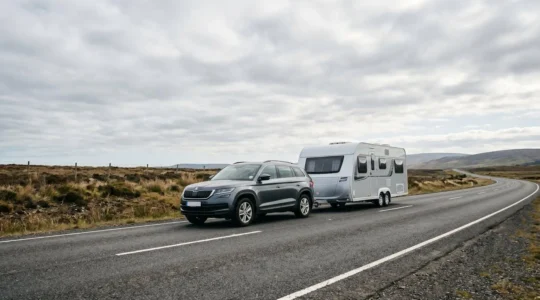
Towing a Caravan: How to Stop the « Snake » Wobble Before It Crashes?
In summary: Caravan snaking is not random; it’s a predictable outcome of incorrect weight distribution, specifically insufficient nose weight, which creates a pendulum effect. Vehicle dynamics like tire pressure and driving inputs either dampen or dangerously amplify this oscillation; understanding…
Lire la suite
Luxury Mobile Home vs. Summer Cottage: A Financial Advisor’s Verdict on the Smarter Investment
A luxury mobile home can outperform a traditional cottage as an investment, but only if you master its unique financial risks. The primary risk isn’t just depreciation, but unregulated site fees and restrictive park contracts that erode equity. Appreciation is…
Lire la suite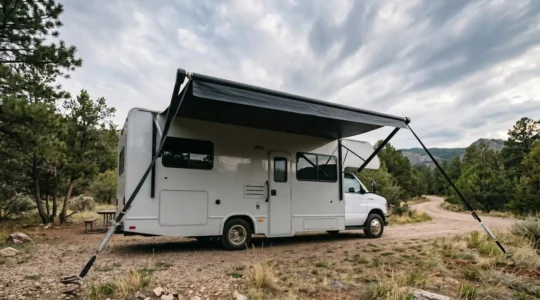
Stop Fearing the Wind: A Technician’s Guide to Bulletproof RV Awning Anchoring
In summary: Your awning isn’t just fabric; it’s an airfoil subject to powerful forces of lift, load, and leverage. Properly securing your awning means understanding and countering these physical forces, not just hoping for the best. Water is your awning’s…
Lire la suite
Finding True Silence: Why Adults-Only Campsites Are Worth the 30% Premium
The premium for an adults-only campsite is not about paying to avoid children; it’s a strategic investment in a guaranteed, high-quality sensory and social environment. These sites offer quantifiable benefits like improved sleep quality and amenities curated to prioritize peace…
Lire la suite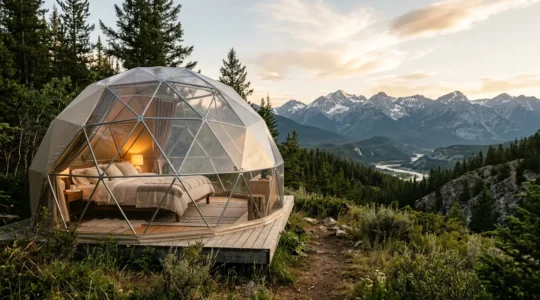
Luxury Glamping vs Traditional Hotel: Which Offers Better Value for $300 a Night?
For a $300 budget, the best value isn’t found in thread counts or mini-bars, but in the unforgettable ‘Return on Experience’ (ROE). Glamping delivers unique, scarce experiences that standardized hotels cannot replicate, maximizing memorable moments per dollar. Hotels offer predictable…
Lire la suite