The secret to leaving hotels for tents isn’t sacrificing comfort—it’s strategically re-engineering it.
- Your brain craves the predictability and sensory control of a hotel, which you can replicate outdoors.
- Prioritizing psychological anchors like quality sleep and personal space is more important than packing more gear.
Recommendation: Focus on transforming your campsite into a personalized sanctuary, starting with mastering your sleep environment. This single step makes the entire transition feel less like a challenge and more like an upgrade.
There’s a common dilemma for those of us who love the idea of the great outdoors but have grown accustomed to the crisp sheets and quiet solitude of a hotel room. You yearn for starry nights and the scent of pine, but the thought of a lumpy sleeping bag, shared bathrooms, and the unpredictable noises of the night fills you with a sense of dread. The standard advice often feels inadequate: « start with a short trip, » « buy good gear, » or « pick a site with amenities. » These tips address the symptoms, but not the root cause of the anxiety.
The hesitation isn’t about a lack of adventurous spirit; it’s about a fear of losing control and comfort. What if the real key to bridging the gap between a four-star hotel and a six-person tent wasn’t about learning to ‘rough it’? What if it was about becoming a master of ‘comfort engineering’? This approach is about understanding the psychological triggers that make a hotel feel luxurious—predictability, sensory control, and designated zones for rest—and then cleverly recreating them in a natural setting. It’s a mindset shift from deprivation to intentional design.
This guide is your roadmap to that transition. We won’t just list gear; we will explore the psychology of why certain strategies work. We’ll break down how to manage your environment, reframe your expectations, and select items that provide a deep sense of well-being. It’s time to make your camping comeback, not by lowering your standards, but by raising your ingenuity.
To guide you through this process, we’ve structured this article to tackle the biggest psychological and practical hurdles one by one. You’ll discover how to create a sanctuary for sleep, build a living space without walls, and master the mental game of modern camping.
Summary: A Practical Guide to Your Camping Comeback
- Why earplugs are the single most important gear for hotel converts?
- How to create a « living room » feel without furniture?
- The toiletry bag strategy for communal shower efficiency
- Air mattress vs Cot: Which mimics a real bed closer?
- When no WiFi becomes a luxury: Re-framing the lack of service
- Why 65% of first-time campers prefer glamping over tents?
- Closed-cell foam vs Inflatable: Which is indestructible?
- First-Time Campers: The 10 Items You Actually Need (And What to Leave)?
Why earplugs are the single most important gear for hotel converts?
For anyone transitioning from the soundproofed walls of a hotel, the single greatest shock of tent camping is noise. The rustle of a raccoon, the late-night chatter from a neighboring site, or the snap of a twig can trigger a state of high alert, ruining any chance of restorative sleep. The solution isn’t just about blocking noise; it’s about reclaiming sensory control, the number one psychological comfort a hotel room provides. This is why earplugs are not just an accessory; they are your primary tool for comfort engineering.
A hotel room gives you a predictable, quiet environment. Earplugs are the most effective way to replicate that controlled bubble. Unlike white noise machines or apps, which can sometimes interfere with sleep cycles, high-quality foam or silicone earplugs create a consistent barrier against the unexpected. They tell your subconscious brain that it’s safe to power down, allowing you to achieve the deep and REM sleep stages crucial for feeling rested and positive about your camping experience.
The impact is scientifically measurable. A groundbreaking study from the University of Pennsylvania’s Perelman School of Medicine found that earplugs successfully mitigated nearly all environmental noise effects on sleep for sounds up to 55 dB. This level of protection is the difference between waking up groggy and resentful, and waking up refreshed and ready to embrace the day. For a hotel convert, investing a few dollars in quality earplugs yields a higher return on comfort than almost any other piece of gear.
How to create a « living room » feel without furniture?
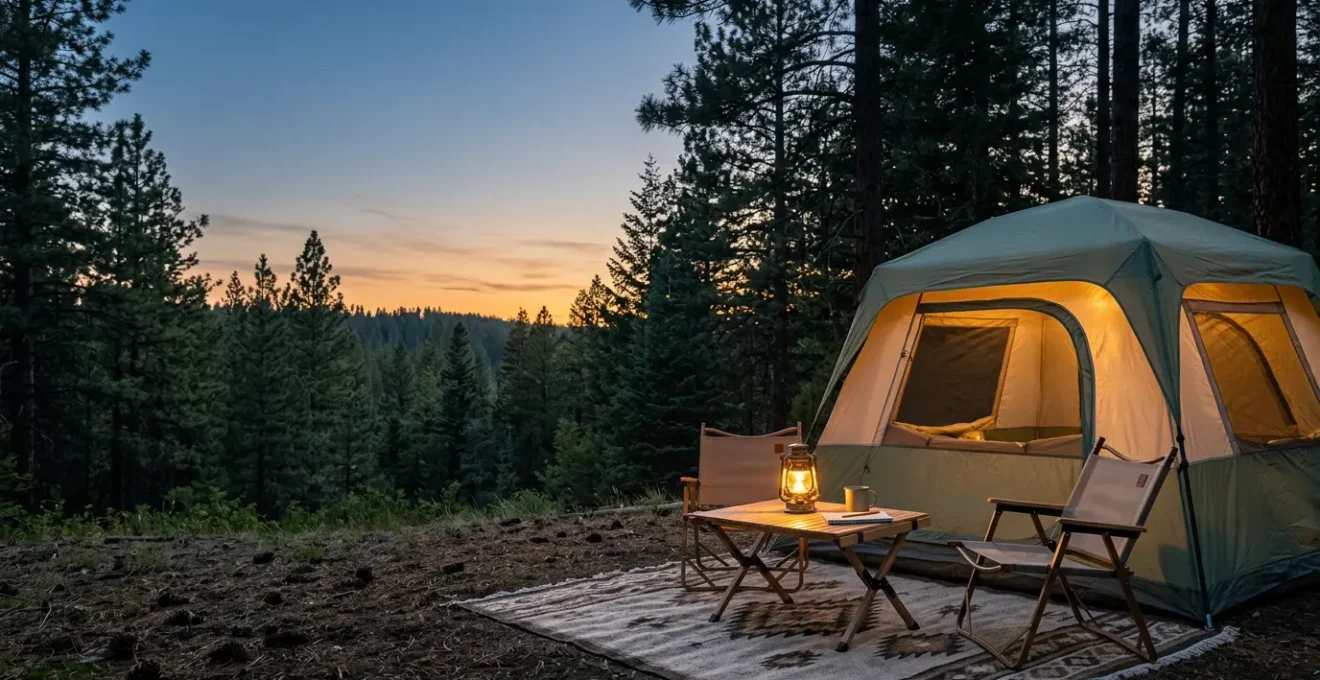
A key anxiety for hotel lovers is the loss of defined living spaces. A hotel suite has a place to sleep, a place to sit, and a place to wash. A tent can feel like a single, chaotic zone. The secret to overcoming this is to create a psychological « living room » at your campsite, using light and ground cover to establish a sense of order and relaxation, even without traditional furniture. This isn’t about hauling a sofa into the woods; it’s about using visual cues to define a space dedicated purely to unwinding.
The most powerful tool for this is atmospheric lighting. Hotels use layered, warm lighting to create ambiance. You can do the same with a combination of solar-powered string lights and a quality LED lantern. Drape the string lights overhead between trees or around your tent’s awning to create a warm, glowing canopy. This simple act delineates a « ceiling » for your outdoor room and immediately makes the space feel more intentional and cozy. Place the lantern on a small camp table or a stable log to provide focused task lighting for reading or preparing a drink.

Next, define the « floor. » A large, durable outdoor rug or even a simple canvas tarp placed on the ground instantly creates a distinct zone for lounging. It separates your relaxation area from the dirt and grass, creating a clean, comfortable island. Arrange comfortable camp chairs, throw a few outdoor cushions on the rug, and you’ve established a designated living room. This space now has a clear purpose: it is the spot for morning coffee, evening conversation, and quiet reflection, separate from the functional chaos of cooking or sleeping areas.
The toiletry bag strategy for communal shower efficiency
The trek to a communal shower facility is often a major source of anxiety for those used to private en-suite bathrooms. The fear of dropping your soap on a grimy floor, the lack of a dry place for your clothes, and the awkward walk back to the tent can overshadow the entire experience. The solution lies in a meticulous toiletry strategy that reclaims a sense of control, privacy, and efficiency, making the process feel less like a public ordeal and more like a well-executed personal routine.
The core of this strategy is the « Two-Bag System. » It separates your « wet » items from your « dry » items, eliminating the primary point of failure in most shower trips. The first bag is a rigid, quick-drying shower caddy with a hook. This is for your in-shower essentials: soap, shampoo, and a washcloth. The rigid structure and hook are non-negotiable; they ensure the caddy can hang anywhere and stand on its own, preventing any contact with questionable surfaces. It’s your mobile bathroom shelf, keeping everything clean and within reach.
The second, a « dry bag » (like a small, waterproof pouch), stays outside the shower stall or with a companion. It contains your post-shower necessities: a small microfiber towel, clean underwear, moisturizer, and any other items you need to get dressed. By keeping these two kits separate, you guarantee a dry, comfortable end to your shower. To complete the hotel-like experience, pack a quick-dry microfiber robe or an oversized changing poncho. This provides a layer of dignity and comfort for the walk to and from the facilities, transforming a moment of vulnerability into one of cozy privacy.
Your Action Plan: The Hotel-Style Shower System
- Designate a ‘Wet Bag’: Use a quick-drying plastic shower caddy with a hook for soap, shampoo, and shower essentials that can hang and stand independently without touching wet surfaces.
- Create a ‘Dry Bag’: Keep a separate small pouch with moisturizer, clean underwear, and pajamas in a dry location outside the shower stall or with a companion.
- Implement the rigid caddy advantage: Choose a caddy that can hang anywhere and stands on its own, minimizing contact with grimy floors or benches to reduce discomfort.
- Add a privacy layer: Pack a quick-dry microfiber robe or oversized changing poncho for dignified walks to and from communal facilities, mimicking hotel robe comfort.
- Set up an at-campsite sink alternative: Use a small collapsible camp sink or sturdy dry bag filled with water for quick face washing and teeth brushing right at your tent.
Air mattress vs Cot: Which mimics a real bed closer?
For a hotel convert, the quality of sleep is paramount, and the choice of a sleeping platform is the most critical decision in your comfort engineering project. The debate between an air mattress and a camping cot is not just about softness versus firmness; it’s about which option more closely replicates the psychological and physical experience of sleeping in a real bed. While an air mattress seems like the obvious choice for cushioned comfort, a cot often wins for mimicking the overall structure and feel of a hotel bed.
A real bed is elevated, easy to get in and out of, and provides a stable, insulated platform. A camping cot excels on all these fronts. Its elevated height allows you to sit on the edge to put on your shoes, a small but significant comfort that mirrors your routine at home. More importantly, it insulates you from the cold ground, which can leech warmth and ruin a night’s sleep on an air mattress, even in mild weather. The firm, taut canvas surface is also ideal for back sleepers and those who need consistent support, preventing the dreaded « taco » effect of a deflating air mattress.
The following table breaks down the key differences to help you decide which features are most important for your personal comfort. As this comparative analysis shows, the choice depends on your priority: cushioned softness or structural support.
| Feature | Camping Cot | Air Mattress |
|---|---|---|
| Sleeping Surface | Firm, consistent platform elevated off ground | Cushioned, adjustable firmness by air pressure |
| Bed Height & Entry/Exit | Elevated height allows sitting on edge, easier mobility | Low to ground, requires crawling or lowering down |
| Temperature Insulation | Better insulation from cold ground due to elevation | Poor insulation, air inside cools in cold weather |
| Durability & Reliability | Robust metal frame and canvas, long lifespan | Susceptible to punctures, air leaks, valve failures |
| Setup Time | Quick fold/unfold assembly, no inflation needed | Requires pump and inflation time, potential complications |
| Best For | Back sleepers, those with back pain, sturdy support | Side sleepers, those preferring soft cushioning feel |
The Expert’s Choice: The Redundancy Sleep System Strategy
To get the best of both worlds, many camping experts recommend a hybrid redundancy approach. This system involves placing a comfortable, self-inflating mattress or a thick foam pad on top of a camping cot. This strategy, highlighted by gear reviewers at publications like Advnture, provides the structural support and elevation of the cot with the plush cushioning of a mattress. It also offers built-in insurance: if the inflatable pad fails, you still have the cot’s platform, ensuring you never sleep on the ground. This addresses the deep-seated fear of equipment failure, providing the peace of mind that is crucial for a restful night.
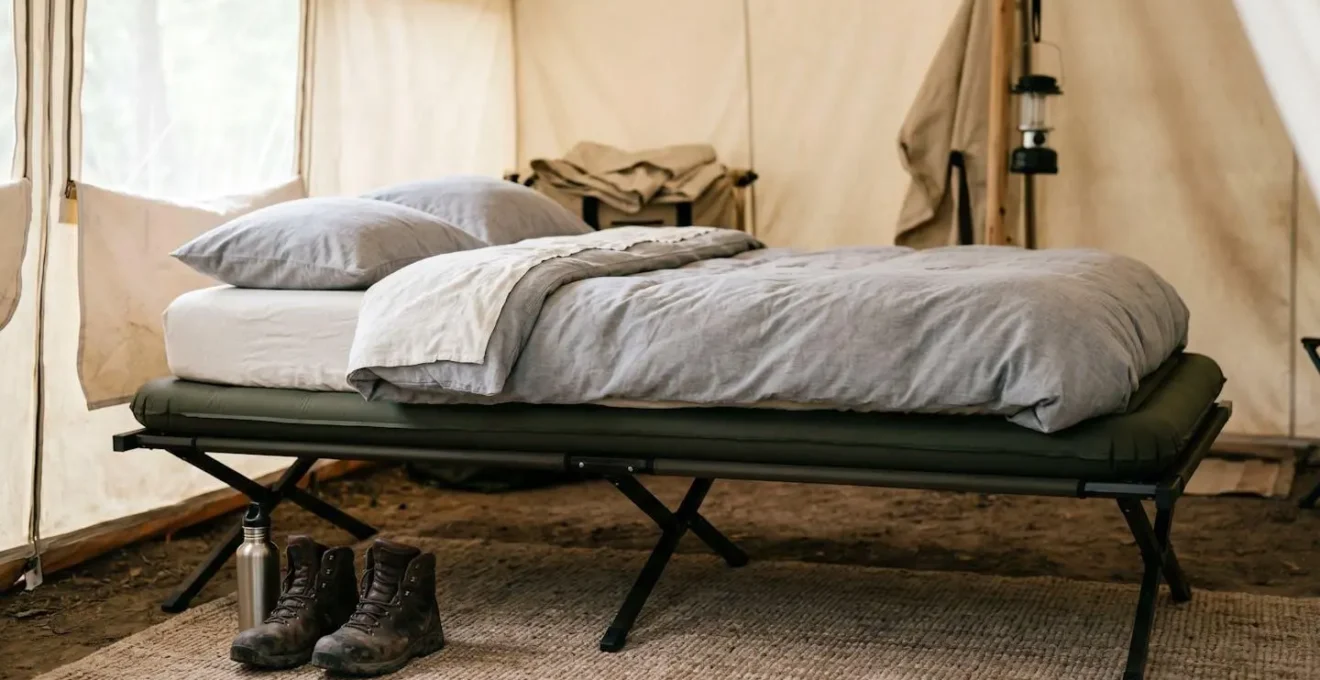
Ultimately, the most hotel-like experience often comes from this hybrid approach. It combines the structural integrity of a cot with the customizable softness of a mattress, creating a sleep system that is reliable, warm, and supremely comfortable.
When no WiFi becomes a luxury: Re-framing the lack of service
In our hyper-connected world, the absence of a strong WiFi signal can feel like a genuine crisis. For those accustomed to the constant connectivity of a hotel, the thought of being « off the grid » can trigger anxiety about missing out, being unreachable, or simply being bored. However, the most profound mindset shift in transitioning to camping is learning to reframe this lack of service not as a deficiency, but as the ultimate, unattainable luxury: intentional disconnection.
Think about it: even the most exclusive five-star resorts and wellness retreats now sell « digital detox » packages for a premium price. They are marketing the very thing that camping provides for free. By choosing to camp in an area with spotty or non-existent service, you are not being deprived; you are gifting yourself a rare opportunity to unplug completely. It’s a chance to escape the endless scroll, the constant notifications, and the low-grade hum of digital anxiety that follows us everywhere.
To embrace this, you must prepare for it. Before you leave, download your entertainment: create music playlists, save podcasts, and load movies or books onto a tablet. Inform key contacts that you will be unreachable for a period. This proactive approach turns disconnection from an accident into a deliberate choice. Instead of instinctively reaching for your phone, you’ll reach for a book, a deck of cards, or simply look up at the trees. You’ll find that conversations become deeper, your senses sharpen, and your mind, freed from the digital tether, finally has a chance to rest and reset. This is a level of peace that no hotel concierge can deliver.
Why 65% of first-time campers prefer glamping over tents?
The explosive growth of « glamping » (glamorous camping) isn’t just a trend; it’s a clear signal of what modern campers truly desire: the nature experience without the perceived hardship. For the 65% of first-timers who opt for a furnished yurt or cabin over a traditional tent, the appeal lies in a lower « effort-to-comfort ratio. » Glamping removes the biggest barriers—setting up a shelter, sleeping on the ground, and a lack of amenities. In fact, market analysis shows that cabins and pods are projected to account for 43% of all glamping accommodations, underscoring a preference for solid structures and real beds.
But you don’t need to book an expensive glamping site to enjoy its benefits. The key is to deconstruct the « why » behind its appeal and apply those principles to your own tent setup. Glamping’s magic rests on three pillars of comfort engineering: superior bedding, atmospheric lighting, and a dedicated lounge area. These are the elements that bridge the gap between « roughing it » and a restorative retreat.
Instead of a restrictive sleeping bag, adopt the superior bedding strategy: bring your actual pillows from home. The familiar feel and smell are powerful psychological anchors. Add a duvet or your favorite comforter. Replicate the atmospheric lighting setup by using warm-toned LED string lights to create a cozy ambiance. Finally, establish a lounge area with a plush outdoor rug and proper camp chairs that offer back support. These small, intentional upgrades don’t require a massive investment, but they transform a basic campsite into a personal sanctuary that captures the spirit of glamping without the price tag.
Closed-cell foam vs Inflatable: Which is indestructible?
When building your sleep system from the ground up, the choice of a sleeping pad is a foundational decision that pits absolute reliability against plush comfort. This is the core of the closed-cell foam versus inflatable pad debate. For a hotel convert plagued by anxiety over equipment failure, understanding the trade-offs is essential for peace of mind. The question of which is « indestructible » has a clear and simple answer: closed-cell foam.
A closed-cell foam pad is the bedrock of reliability. It’s a simple, lightweight sheet of dense foam that cannot be punctured, cannot leak, and will never fail you in the middle of the night. You could stab it with a knife, and it would still provide the same level of insulation and basic cushioning. This indestructibility provides immense psychological comfort. It’s your insurance policy against a miserable night on the cold, hard ground. While it offers less cushioning than an inflatable pad, its unwavering dependability makes it a favorite among seasoned backpackers and a smart choice for anyone who values guaranteed performance over luxury.
An inflatable pad, by contrast, prioritizes comfort above all else. When fully inflated, it can offer several inches of air-cushioned bliss, closely mimicking the softness of a mattress at home. Modern inflatable pads are more durable than ever, but they are not infallible. A sharp rock, a stray ember, or a faulty valve can lead to a slow leak or a catastrophic failure, leaving you flat on the ground. For this reason, relying solely on an inflatable pad can be a source of low-grade anxiety for campers who fear the worst-case scenario. The ideal solution, as many experts now advocate, is to not choose one or the other, but to combine them in a hybrid system for the ultimate blend of comfort and reliability.
Key Takeaways
- Engineer Your Comfort: Don’t just accept camping conditions; actively design your environment to replicate the psychological comforts of a hotel, like control and predictability.
- Master Your Senses: The biggest luxuries are sensory. Control noise with earplugs and manage light with a layered system to create a personal sanctuary.
- Invest in Sleep: Your sleep system is the foundation of your trip’s success. A hybrid cot-and-pad setup offers the best of both worlds: hotel-like structure and mattress-like comfort.
First-Time Campers: The 10 Items You Actually Need (And What to Leave)?
When you’re transitioning from hotels, your first camping packing list can be overwhelming. The internet is full of « essential » gear lists that run pages long, encouraging you to buy gadgets you don’t need. The secret is to shift your focus from accumulating gear to packing for psychological comfort. Instead of asking « what do I need to survive? » ask « what do I need to feel relaxed and in control? » This reframes your list around high-impact items that directly address the anxieties of leaving your hotel-room comfort zone.
Forget the fancy camp kitchens and complex gadgets for now. Your true essentials list is shorter and more strategic. It’s about bringing pieces of your « at-home » sanctuary with you. Here are the items that truly matter for your first few trips:
- Your Pillow from Home: This is non-negotiable. It’s the single most powerful psychological anchor, providing familiar comfort and scent.
- A High-Quality Sleep System: As discussed, a cot/pad hybrid. This is your number one investment in a positive experience.
- Great Earplugs & an Eye Mask: Your personal sensory-deprivation kit to guarantee control over your sleep environment.
- A Comfortable Camp Chair: A chair with good back support creates a personal throne from which to enjoy the view, preventing you from feeling like you’re constantly sitting on the ground.
- Layered, Warm Lighting: A lantern for tasks and string lights for ambiance. This allows you to control the mood of your « living room. »
- A Reliable Cooler with Favorite Drinks/Snacks: Having a cold, familiar beverage at the end of a setup day is a small luxury that feels like a massive reward.
- The Two-Bag Shower System: To eliminate communal bathroom anxiety.
- A Good Book or Downloaded Media: Proactive entertainment for embracing intentional disconnection.
- Warm, Comfortable Socks: Never underestimate the power of warm, dry feet for overall well-being.
- A Solid, Waterproof Tent: Your castle walls. Knowing you are protected from wind and rain provides immense peace of mind.
What should you leave behind? Complicated cooking gear, single-use camping gadgets, and anything that requires a complex setup. For your first trip, keep meals simple (think sandwiches, or food you can heat with a simple jetboil). The goal is to minimize chores and maximize comfort. You’re not trying to become a wilderness survivalist overnight; you’re learning to build a comfortable, temporary home in nature.
Your return to camping is not a test of endurance, but an exercise in creative comfort. By focusing on these key psychological and practical strategies, you can design an experience that offers the freedom of the outdoors with the restorative peace of a luxury getaway. Start planning your comfort-engineered escape today, and rediscover the joy of sleeping under the stars—on your own terms.