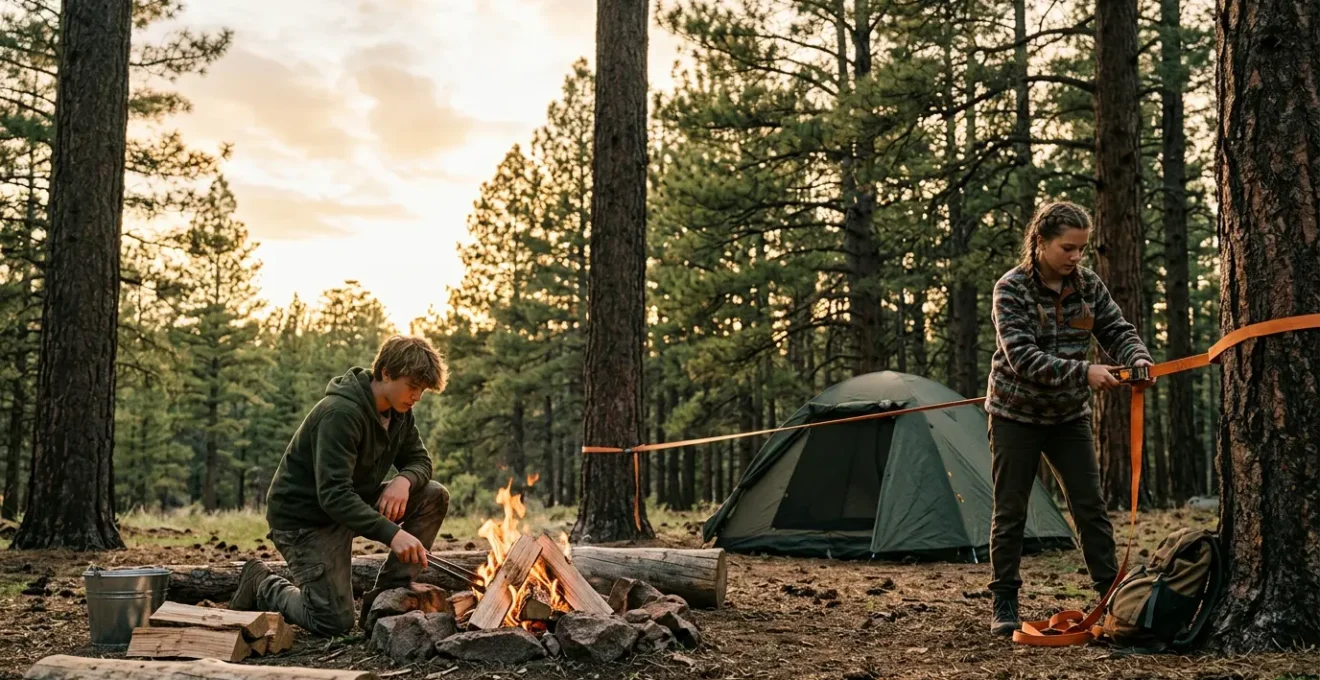
The constant battle against screens can turn a family camping trip into a source of frustration. The solution isn’t to ban phones, but to outsmart them. This guide shifts the focus from a simple list of activities to a strategic approach that taps into a teen’s need for autonomy, mastery, and purpose. By reframing tasks as challenges and giving them meaningful roles, you can make the natural world more engaging than their digital one, transforming your trip from a struggle into a shared adventure.
There’s a scene every parent dreads: you’re surrounded by the serene beauty of the great outdoors, the campfire is crackling, and your teenager is bathed in the pale, blue light of their phone, completely oblivious. You planned this trip to disconnect and reconnect as a family, but the digital tether seems stronger than ever. The common advice is often to just confiscate devices or force them on a long, uninspired hike, which usually backfires, leading to resentment and a chorus of « I’m bored. » This approach fails because it treats the symptom, not the cause.
The truth is, a teen’s phone isn’t just a distraction; it’s a source of social connection, validation, and constant stimulation. To compete, the outdoors needs to offer something more compelling. But what if the secret wasn’t about finding more spectacular views or planning more « fun » activities? What if the key was redesigning the entire camping experience around your teen’s core psychological drivers? This isn’t about fighting the phone; it’s about making the real world more interesting. It’s about shifting from a parent-led itinerary to a collaborative mission where your teen has agency, a sense of competence, and a genuine role to play.
This guide provides seven low-cost, high-impact strategies designed to do exactly that. We’ll explore how to structure a day to prevent meltdowns, turn chores into leadership opportunities, and even leverage technology as a tool for discovery rather than distraction. We’ll also provide a complete timeline to prepare for your trip without the last-minute panic, ensuring you build excitement from the moment you start planning.
Summary: Your Roadmap to a Screen-Free Family Campout
- Why structured activities prevent boredom tantrums before dinner?
- How to organize a forest scavenger hunt for kids under 10?
- The safety oversight during river play that scares parents most
- Board games vs outdoor sports: Which works best for rainy camping days?
- Sequencing your day: When to schedule high-energy play for better sleep?
- Why meal prepping at home saves 2 hours of daily camp chores?
- How to identify animal tracks in mud after rain?
- The 2-Week Timeline: How to Prep a Family Camping Trip without Panic?
Why Structured Activities Prevent Boredom Tantrums Before Dinner?
It’s the dreaded « witching hour » of camping: late afternoon. The day’s big hike is over, dinner isn’t ready, and the unstructured downtime becomes a vacuum that is immediately filled by a smartphone. For a teenager, this void isn’t peaceful; it’s boring. And boredom quickly leads to frustration and the infamous pre-dinner tantrum. The key to preventing this isn’t filling every second with entertainment, but providing structured choices that grant autonomy while guiding their energy toward a productive, engaging outcome.
Instead of asking the open-ended, and often doomed, question, « What do you want to do? », present two or three pre-approved, teen-centric options. For example: « Hey, before dinner, do you want to take on the one-match fire challenge, or would you rather be in charge of setting up the ‘perfect’ campfire seating area? » This simple reframing shifts the dynamic. You’re no longer the director of fun; you’re the facilitator of a challenge. The activity becomes a test of skill, tapping into a teen’s natural desire to prove their competence.
This strategy directly counters the addictive pull of screens. Research shows that while screen technology is addictive, temporary disconnection can lead to more positive nature experiences. By providing a compelling alternative, you’re not just fighting boredom—you’re offering a more satisfying dopamine hit. Assigning a leadership role, like « Campfire Master » or « Safety Officer » for the evening, further increases buy-in. It gives them a sense of purpose and ownership that mindless scrolling can never provide, effectively heading off the tantrum before it even begins.
How to Organize a Forest Scavenger Hunt for Kids Under 10?
While a classic scavenger hunt with a list of « find a pinecone, a smooth rock, a red leaf » is perfect for younger kids, teenagers will likely roll their eyes at the simplicity. To capture their interest, you need to level up the concept by integrating strategy, technology, and a real sense of discovery. Instead of a simple hunt, think of it as a mission. The best way to do this is by transforming the activity into a geocaching adventure or a « bio-blitz » survey, which cleverly repositions their smartphone from a distraction into an essential scientific tool.
Geocaching is a real-world treasure hunt using GPS coordinates. You can hide a small, waterproof container (a « cache ») with a logbook and some small, inexpensive trinkets before your teen starts, or use one of the thousands of existing caches hidden worldwide. The mission is to use a GPS app on their phone to navigate to the hidden spot. This teaches navigation, problem-solving, and patience, and the reward of finding the cache provides a powerful sense of accomplishment. It’s an adventure that feels modern and relevant.
Another powerful strategy is to turn their phone into a field guide. Challenge them to a « Campsite Bio-Blitz » using a nature identification app. The goal is to find and identify as many different species of plants, insects, or fungi as possible within a set time or area. This transforms a simple walk in the woods into a scientific expedition. The phone becomes a tool for learning, not for social media, satisfying their tech-craving while deepening their connection to the environment.
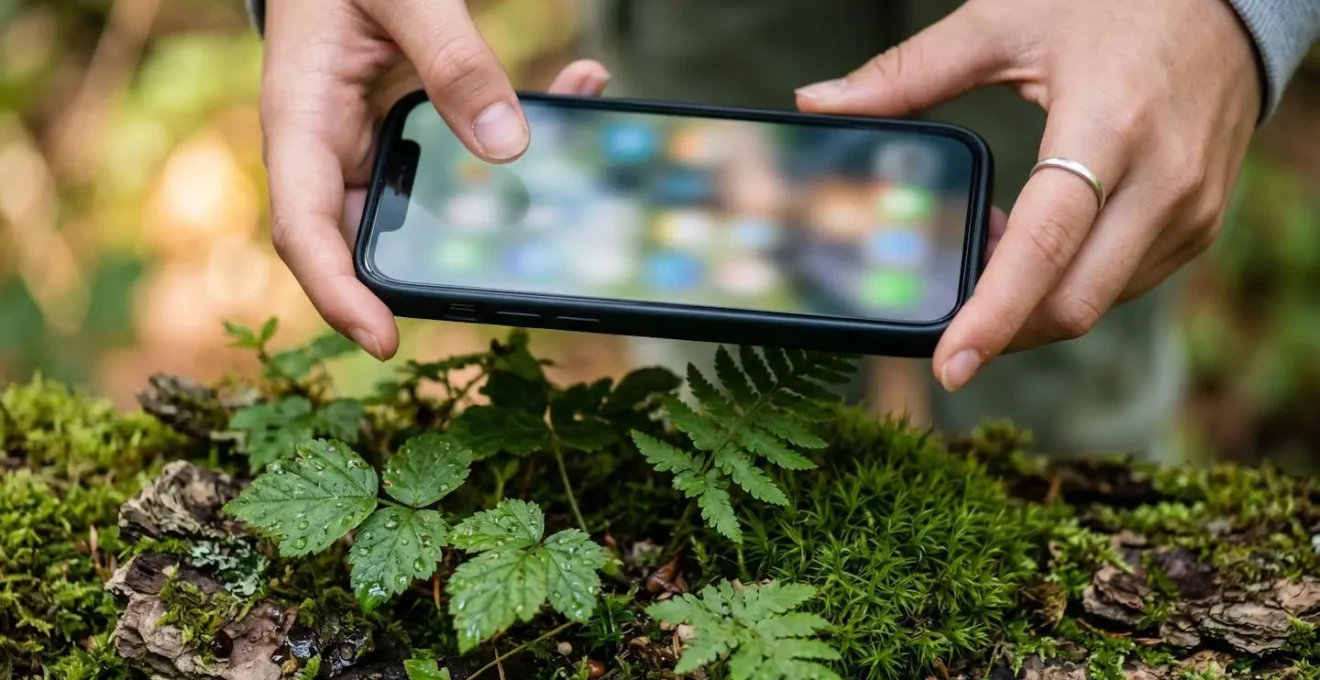
As you can see, the key is purposeful technology. When the phone has a job—whether for navigating to a hidden treasure or identifying a new species—it stops being a passive entertainment device and becomes an active instrument of exploration. This approach respects their digital fluency while guiding it toward a tangible, real-world outcome, making the experience far more memorable than a generic scavenger hunt.
The Safety Oversight During River Play That Scares Parents Most
Water activities are often the highlight of a family camping trip, offering a refreshing escape on a hot day. Whether it’s swimming in a lake, wading in a river, or just skipping stones, the allure of water is powerful. However, this is also where one of the most terrifying and overlooked safety risks lies: underestimating the dangers of natural water. Unlike a controlled swimming pool, rivers and lakes have hidden currents, submerged obstacles, and unpredictable depths. The most common and frightening oversight is a lapse in active supervision, assuming that because a teen is a competent swimmer, they are safe.
The statistics are sobering. Drowning remains a leading cause of accidental death for children, and the risk doesn’t disappear with age. According to a 2024 report from the U.S. Consumer Product Safety Commission, fatal drownings for children under 15 increased 12% in 2021 compared to the previous year. For teenagers, the danger shifts from pools to open water. In fact, comprehensive research shows that children aged 5-19 years most frequently drown in natural freshwater bodies like rivers and lakes.
The critical safety measures that prevent tragedy are often simple but non-negotiable. First, never let anyone swim alone. The buddy system is essential. Second, actively designate a « water watcher »—an adult whose sole responsibility for a set period is to watch the swimmers without any distractions like reading or scrolling on a phone. Third, scout the area before anyone gets in. Check for sharp drop-offs, strong currents (by throwing a stick in to see how fast it moves), and submerged hazards like rocks or logs. Finally, ensure everyone, especially in moving water, wears a properly fitted life jacket. It’s a simple precaution that is often seen as « uncool » by teens but is the single most effective piece of safety equipment.
Board Games vs Outdoor Sports: Which Works Best for Rainy Camping Days?
A rainy day can feel like a death sentence for a camping trip, trapping everyone inside a tent with simmering tensions. The go-to solution is often to break out a board game, but this can be a hit-or-miss strategy. A teen who is already feeling cooped up and antsy might not have the patience for a long, strategic game. The real key to a successful rainy day is not having a single « best » activity, but having a toolkit of options and knowing how to diagnose the collective mood before prescribing a solution.
Is the energy in the tent restless and frustrated? This is a sign of pent-up physical energy. Trying to force a quiet board game will only make it worse. This is the time for a low-space, high-energy outdoor sport that can be played under a tarp or during a break in the rain. Activities like bocce ball, frisbee golf, or even physical challenges like a push-up or plank contest can help burn off that « cabin fever » and reset everyone’s mood. The goal is to embrace the wet, not hide from it entirely.
On the other hand, if the mood is lethargic, quiet, or a bit gloomy, that’s the perfect time for board games or card games. These activities require focus and social interaction without high physical demands. To make it more engaging for a competitive teen, don’t just play one game—create a Rainy Day Decathlon. A tournament of multiple games (e.g., a round of Uno, followed by Exploding Kittens, and finishing with a card game like Hearts) with a silly, coveted prize, such as « no chores for the rest of the day, » can transform a boring afternoon into an epic showdown. For creative teens, skill-based projects like making paracord bracelets or collaborative storytelling can provide a tangible sense of accomplishment that lifts spirits.
Sequencing Your Day: When to Schedule High-Energy Play for Better Sleep?
One of the unstated goals of any parent on a camping trip is to have their kids sleep soundly through the night. A physically exhausted teen is a peacefully sleeping teen. However, simply tiring them out isn’t enough; the timing of high-energy activities is crucial. Scheduling a strenuous hike or an intense swimming session right before bed can backfire, leaving them overstimulated, full of adrenaline, and staring at the tent ceiling. The secret to promoting deep, restorative camp sleep is a strategy I call the « Adrenaline Taper. »
This approach is all about intentionally sequencing the day’s energy expenditure. The goal is to align activities with the body’s natural rhythms, ensuring they are physically spent but mentally calm by the time their head hits the pillow (or sleeping pad). This is more important than ever, as recent health data reveals that only about one in four kids aged 6-17 get the recommended 60 minutes of daily physical activity. Camping is the perfect opportunity to change that, but it must be done thoughtfully.
The Adrenaline Taper works like this: schedule the most demanding physical activities for the late morning or early afternoon. This is when energy levels are at their peak. A big hike, a long swim, or a game of capture the flag should be done by 3 or 4 p.m. The late afternoon should be used for « active recovery »—activities that maintain engagement without spiking adrenaline, such as a slow walk, fishing from the shore, or whittling. As evening approaches, the taper becomes more deliberate. Switch from bright, white-light lanterns to the warm, dim glow of the campfire. This signals to the brain that it’s time to wind down. Engage in low-key activities like stargazing, telling stories, or playing a quiet card game. This progressive reduction in stimulation is the final step in ensuring a good night’s sleep for everyone.
Why Meal Prepping at Home Saves 2 Hours of Daily Camp Chores?
Camp cooking can either be a highlight of the trip or a soul-crushing chore. The difference often comes down to one thing: preparation. Chopping vegetables on a wobbly camp table while being swarmed by mosquitos is nobody’s idea of fun. Doing that prep work in the comfort of your kitchen before you leave, however, is a strategic move that does more than just save time; it creates an opportunity to empower your teenager and transform a mundane task into a leadership role.
By pre-chopping all your vegetables, marinating meats, and mixing pancake batter at home, you eliminate the most tedious parts of camp cooking. This easily shaves off up to two hours of daily labor, freeing up precious time for actual fun. But the real magic happens when you use this simplification to hand over the reins. This is the perfect setup for a « Teen Takeover Night. » The concept is simple: one night of the trip, the teen is the head chef. Because all the boring prep is done, their job is the fun part: managing the fire and cooking the meal.
Foil packet meals are perfect for this. At home, you can set up a « meal kit » with all the ingredients. At the campsite, your teen’s job is to assemble their packet and cook it to perfection over the coals. Cooking hot dogs or marshmallows on a stick is another easy win. This fosters a profound sense of responsibility and pride. They aren’t just helping with a chore; they are providing a meal for the family. This is a major engagement opportunity that taps directly into their need for mastery and purpose.
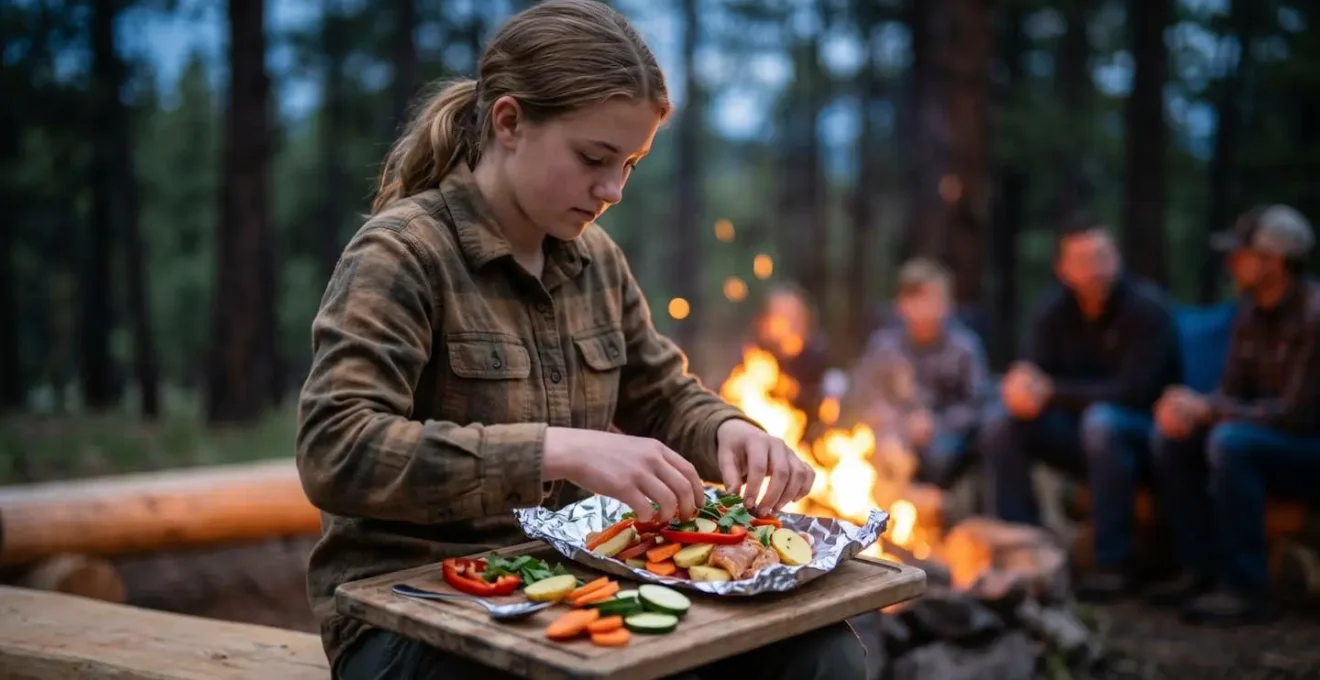
This simple shift in responsibility changes the entire dynamic. The meal they cooked will taste better to them than anything you could have made. They will remember the pride of feeding their family long after the taste of burnt marshmallows has faded. It’s a powerful, low-cost way to build confidence and create a positive, lasting memory.
How to Identify Animal Tracks in Mud After Rain?
A patch of mud after a rainstorm is a blank canvas of stories waiting to be read. For a teenager, however, it might just look like… mud. The key to unlocking their curiosity is to transform the act of observation into a detective game. Instead of just pointing out tracks, you can launch an investigation: CSI: Campsite. This frames the activity not as a boring nature lesson, but as a puzzle to be solved, and once again, their phone can become their most valuable tool.
The first step is to find a clear print. Then, the detective work begins. Don’t just ask « What animal is this? » Instead, ask leading questions: « Where do you think it was going? Was it walking or running? How can you tell? Do you see other prints? Was it alone or with a group? » This encourages critical thinking and narrative building. Suddenly, they’re not just looking at a track; they’re reconstructing a story about the secret lives of the forest’s inhabitants.
To confirm their hypotheses, they can use a pocket field guide or a phone app like iNaturalist. This positions the phone as a research device, not a distraction. The real game-changer, however, is creating a plaster cast of a good track. This is an incredibly cool, low-cost activity. All you need is some Plaster of Paris and water. Mixing it up and pouring it into the track creates a tangible, three-dimensional souvenir that they can take home. It turns a fleeting observation into a permanent piece of art and a scientific record. They can even paint it later. This hands-on project solidifies the memory and the learning in a way that just looking at a picture never could.
Key Takeaways
- The secret to engaging teens isn’t banning phones, but offering more compelling real-world challenges that tap into their psychological needs.
- Granting « controlled autonomy » by offering pre-approved choices or leadership roles is more effective than imposing a strict schedule.
- Strategically repurpose technology. A smartphone can be a powerful tool for navigation, research, and scientific discovery, not just a distraction.
The 2-Week Timeline: How to Prep a Family Camping Trip without Panic?
The success of a family camping trip often depends on the work done before you even leave the house. A last-minute, panicked packing session creates stress that bleeds into the vacation itself. More importantly, it misses a golden opportunity to build excitement and secure your teen’s buy-in from the very beginning. By starting two weeks out and creating a collaborative timeline with assigned roles, you can transform trip preparation from a parental chore into a shared family mission.
This timeline isn’t just about logistics; it’s about strategically assigning ownership to your teenager. Giving them responsibility for specific, meaningful parts of the trip makes them a stakeholder, not just a passenger. They become invested in the trip’s success because they helped build it. This process respects their growing independence and makes them feel like a valued member of the team. The countdown to the trip becomes a series of small, engaging missions rather than a looming deadline.
The goal is to delegate roles that are genuinely cool and play to their strengths. If they love music, they’re the « Official Road Trip DJ. » If they’re a foodie, they’re the « Head of Campfire Cuisine. » This proactive and inclusive approach ensures that by the time you’re packing the car, everyone is excited and feels a sense of ownership over the adventure ahead. It’s the ultimate strategy for preventing the « I don’t want to go » battles before they even start.
Action Plan: Your Collaborative 2-Week Camping Countdown
- Two Weeks Out: Directors of Fun. Assign your teen the role of « Director of Entertainment. » Their job is to research and pack the games, books, and activities for the trip. This is also the time to create a shared Spotify playlist for the car ride, giving them control over the soundtrack.
- 10 Days Out: The Official Navigator. The teen becomes the « Official Navigator. » Their mission is to download offline maps for the area and research and plan one specific hike or point of interest they want to see.
- One Week Out: Head of Campfire Cuisine. This is the week the teen takes on their « Teen Takeover Night » role. They choose one dinner for the trip, find the recipe, and help you shop for and prep the ingredients they will be in charge of cooking.
- 5 Days Out: The Gear Shakedown. Turn gear testing into a backyard challenge. The teen’s mission is to set up the tent by themselves and test their assigned gear (headlamp, sleeping bag, stove). This provides hands-on practice and ensures everything works before you’re in the middle of the woods.
- The Final Rule: Everyone Gets a Choice. Ensure every single family member—including you—chooses at least one activity or one meal for the trip. This simple rule guarantees that everyone has something specific to look forward to and feels heard in the planning process.
So, start planning your next trip not as a list of chores, but as a series of shared missions. By shifting your mindset from managing a vacation to designing an adventure, you empower your teen, defuse the screen-time battle before it starts, and lay the foundation for the kind of memories that last a lifetime. The adventure begins now.